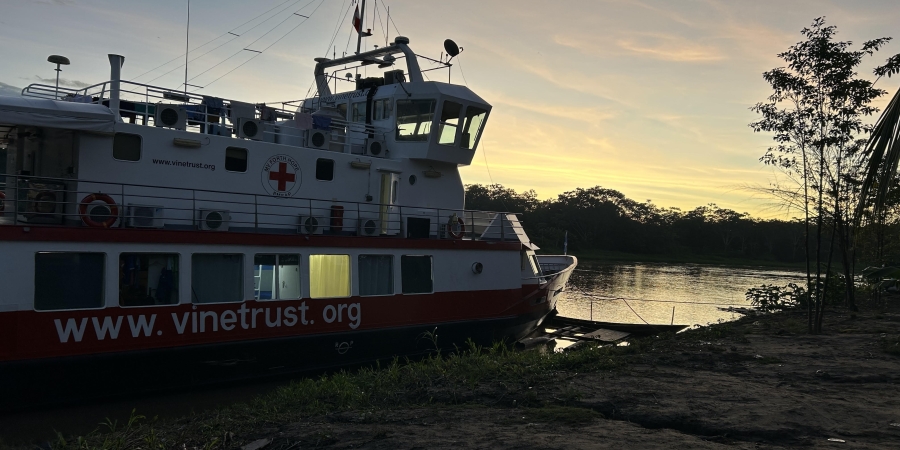
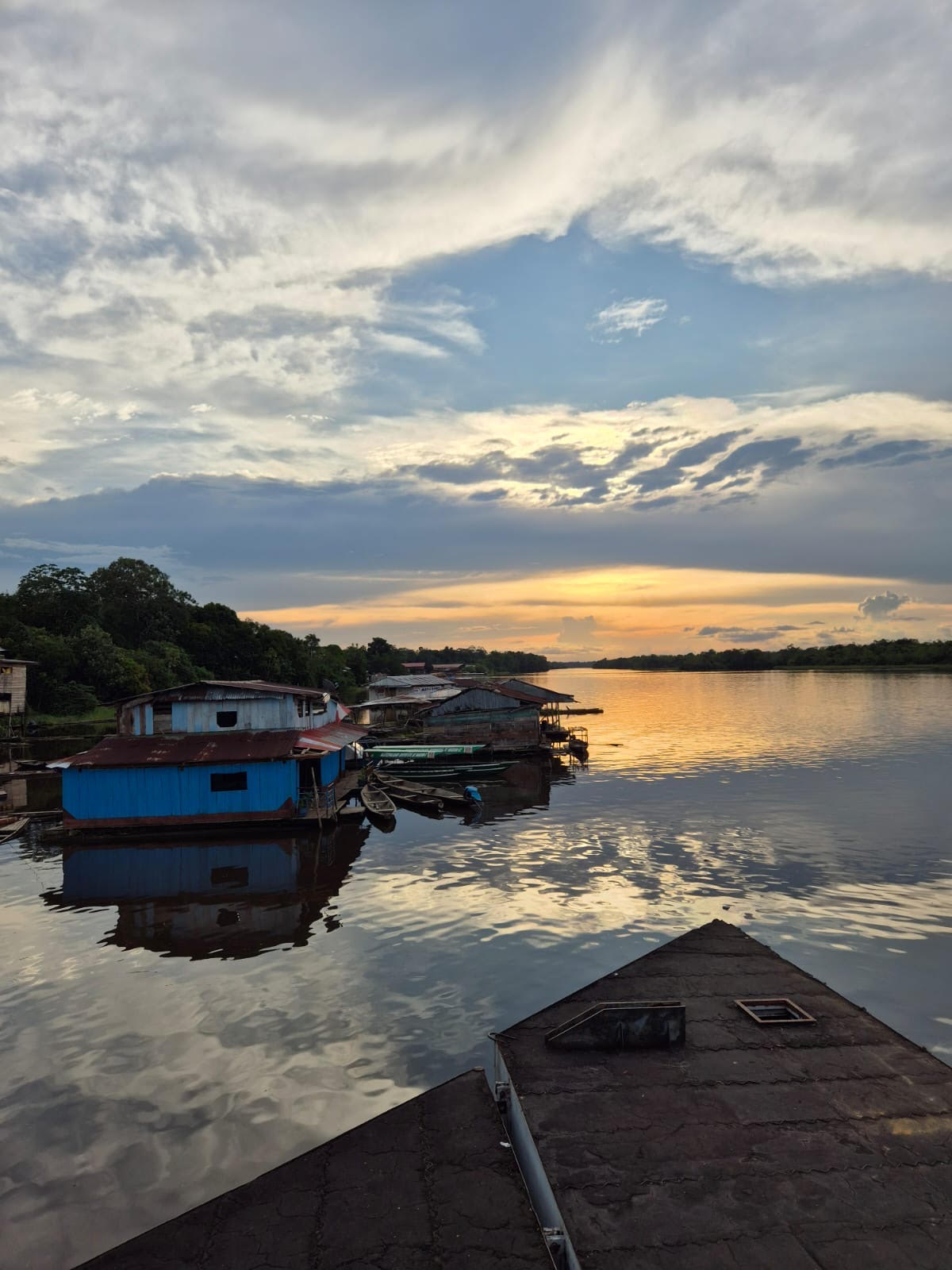
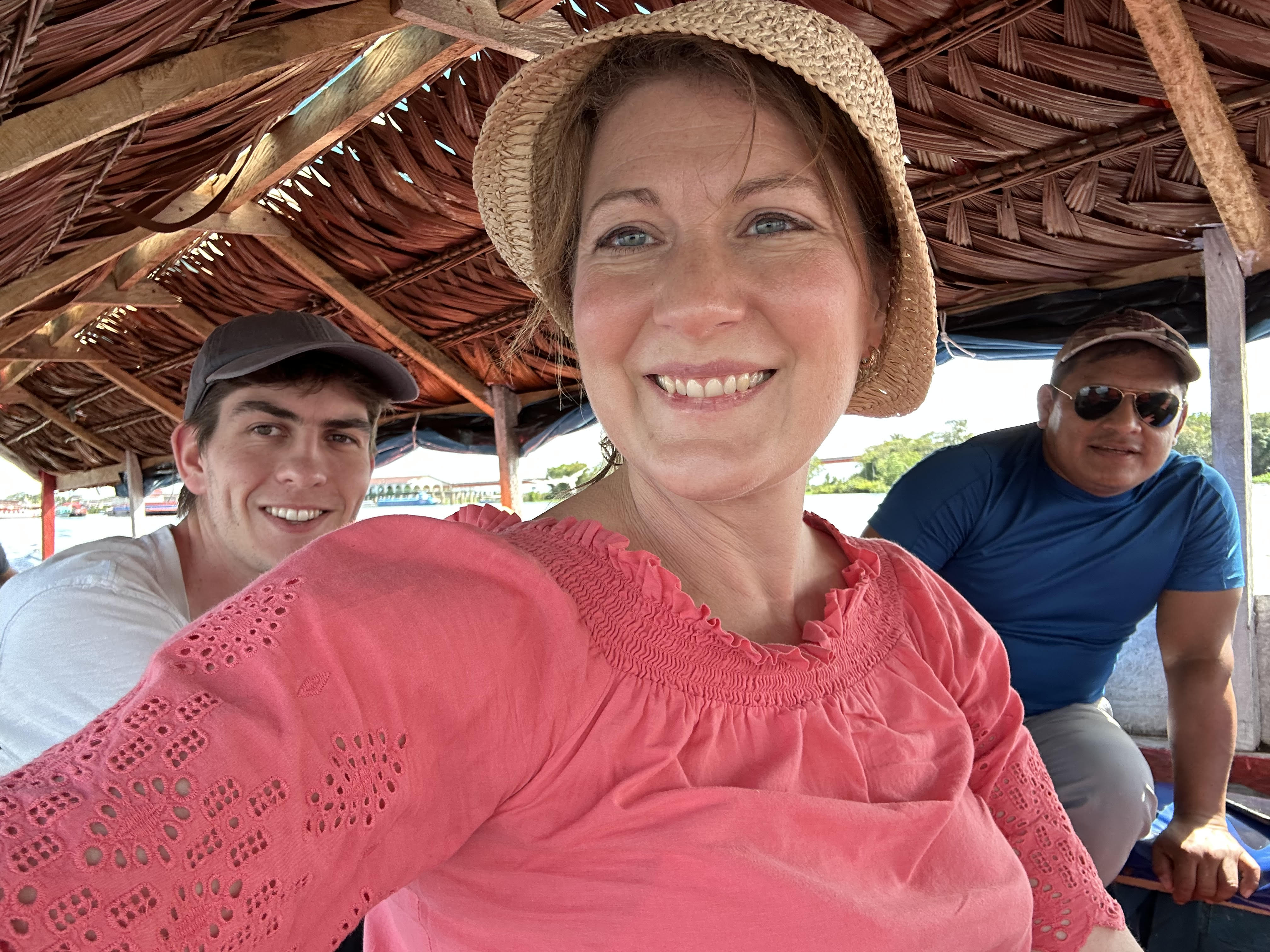
I write to you from the Loreto part of the River Amazon in NorthEastern Peru.
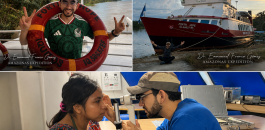
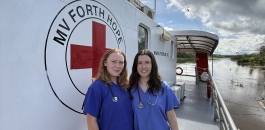
I have just completed an incredible 11 days on a large medical boat with a local Peruvian team. We have been running clinics on ship for free to provide primary health and dental care. Hopping from village to village each day to offer everything from parasitic gut infection treatments to children’s growth checks, dental extractions and fillings to simple analgesia. I was given a translator named Frank, Peruvian and super enthusiastic and my bridge to understanding the consultation as my Spanish is extremely minimal.
Typical consultations were young children with viral infections, otitis media, various skin infections, adults with pneumonia, UTIs and anaemia and elderly patients with neck arthritis from carrying heavy loads over a lifetime. The only frequent chronic disease aside from osteoarthritis was Type 2 Diabetes, making an appearance since highly refined processed foods found their way here. The youngest case was a 31 yr old female with BMI 25. It was identified in pregnancy and did not resolve postpartum. We increased her medication to max dose available as her blood glucose remained very raised.
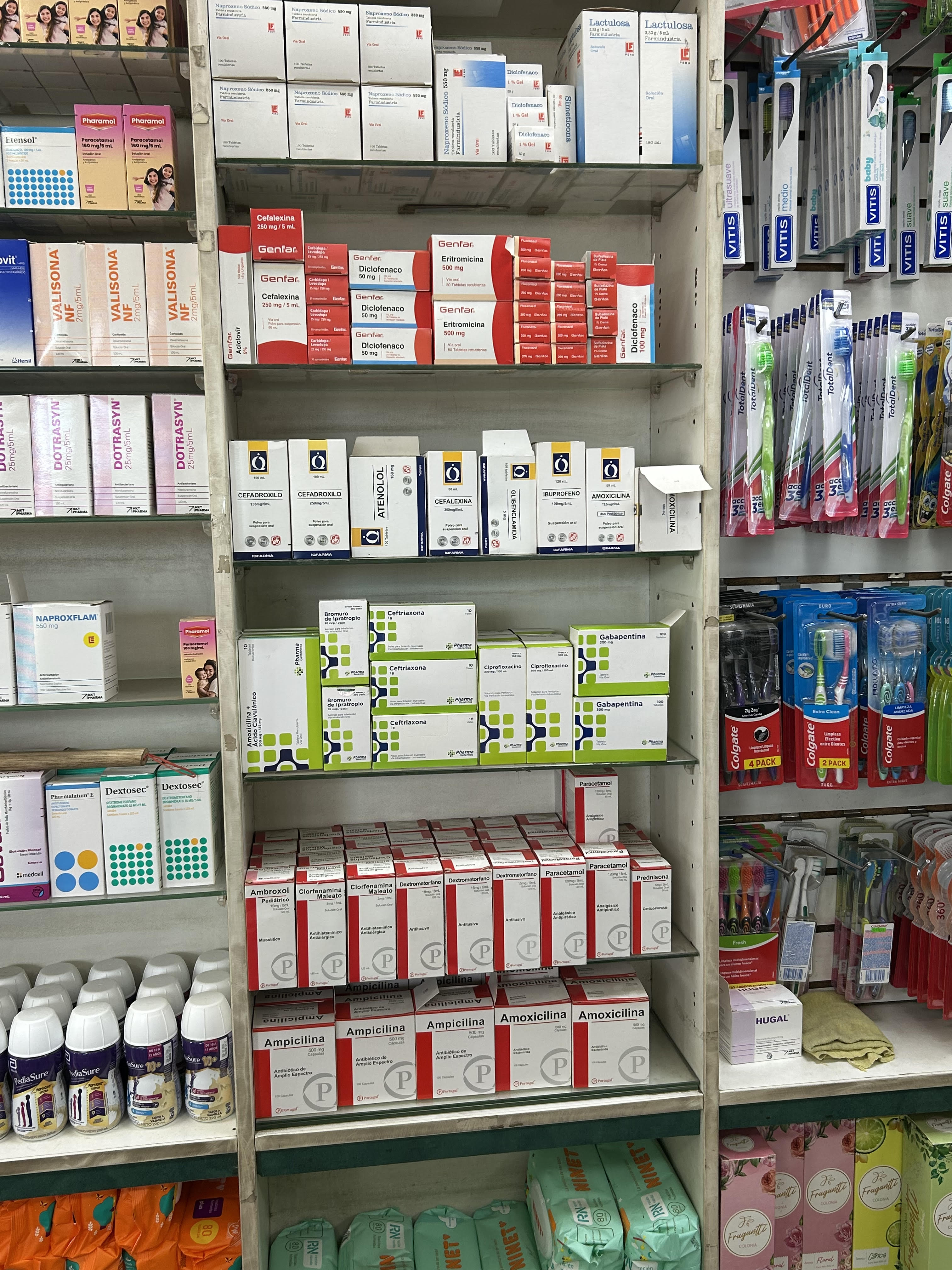
"Tired all the time" and vague headache consultations were fairly frequent. Depression or anxiety is not recognised in society and there is no SSRI availability either. Emergency care is hugely limited. The ship majors on primary care and as such, there was no emergency trolley, defibrillator or ECG machine. We could check a spot blood glucose or urine dipstix and lipid profile and the Peruvian GP was skilled in fetal Ultrasound. This ensured “back to basics medicine” with good clinical skills and clinical judgement, which was surprisingly refreshing.
When an unavailable test was required the patient was advised to travel downstream to Iquitos. I did end up referring on some cases, such as a suspected partially treated pulmonary TB, a pregnant lady with likely Intrauterine growth restriction and suspicious breast lump with axillary node in elderly male. I also managed a home visit to a man with cellulitis and an abrasion on his foot. His wife had made a poultice of local leaves.
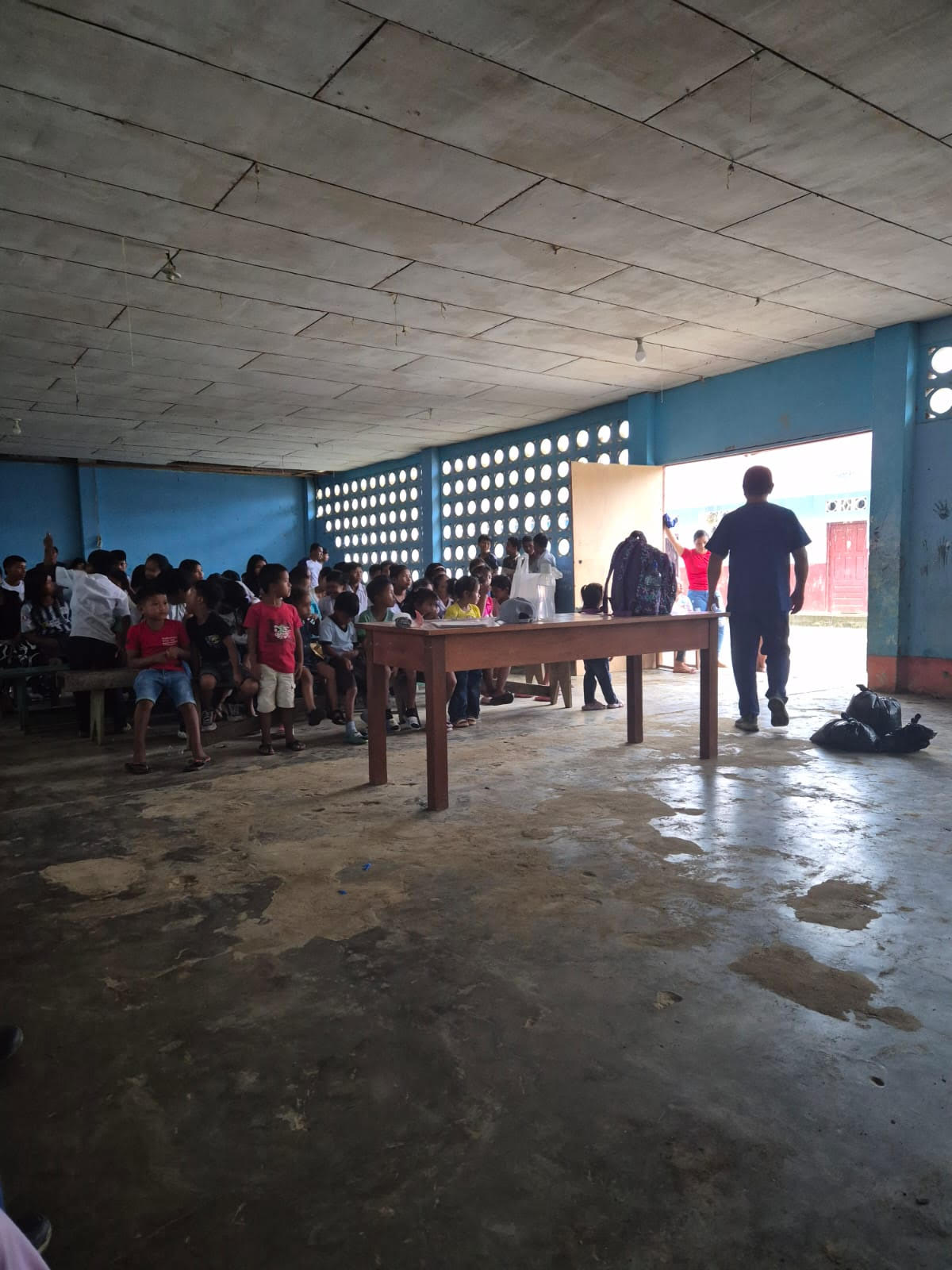
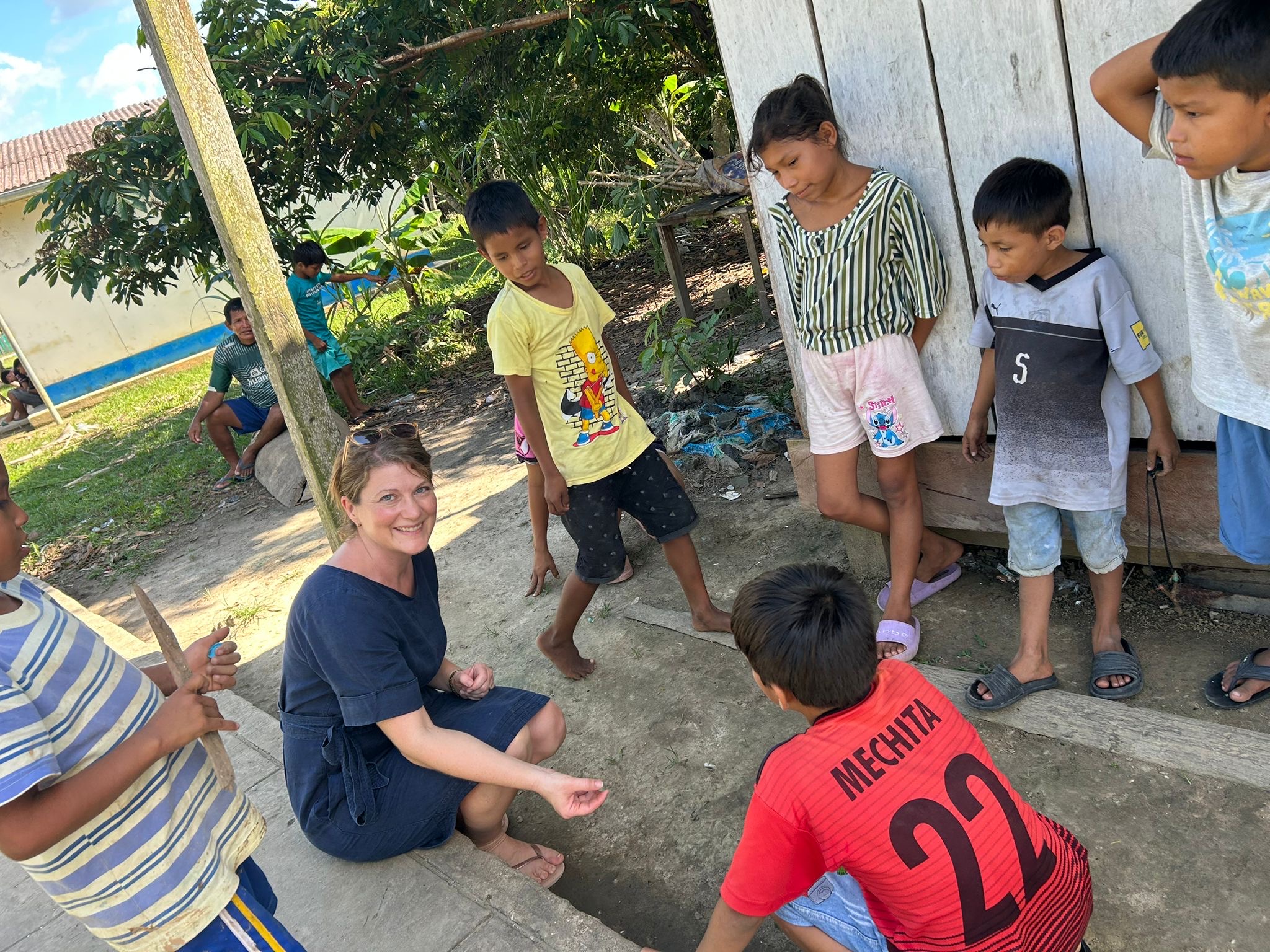
Primary prevention program included me too on one of the days. The whole team attended a primary school and applied fluoride to teeth and delivered education about dental care and gut parasites.
The local people are unbelievably adapted to their environment, I didn’t see one atrial fibrillation or stroke patient, no irritable bowel or endometriosis and hardly any acute infections. And some of these folk are elderly in their 70/80s. The people mostly live on 2 dollars a day and majority are farm labourers, fishermen or hunt for their food. Many can not afford to travel to the nearest large town by boat the pay for healthcare.
I feel a massive sense of joy and pride for getting out of my comfort zone and embracing this opportunity. It’s been an honour to use my professional skills somewhere as remote and unusual as this magical place. It’s also given me a glimpse of what life could be like down the line if I dedicate more time in the future to this type of work.
I’m even considering learning Spanish to enable me to come back another day, and be less reliant on a translator. Until next time mis amigos....
- Dr Jessica Fletcher
Comments